№ 01 · The Bridal Studio
Your most important garment.
Bridal-shop trained. A calm, patient room for the dress that will hold the rest of your life in photographs.
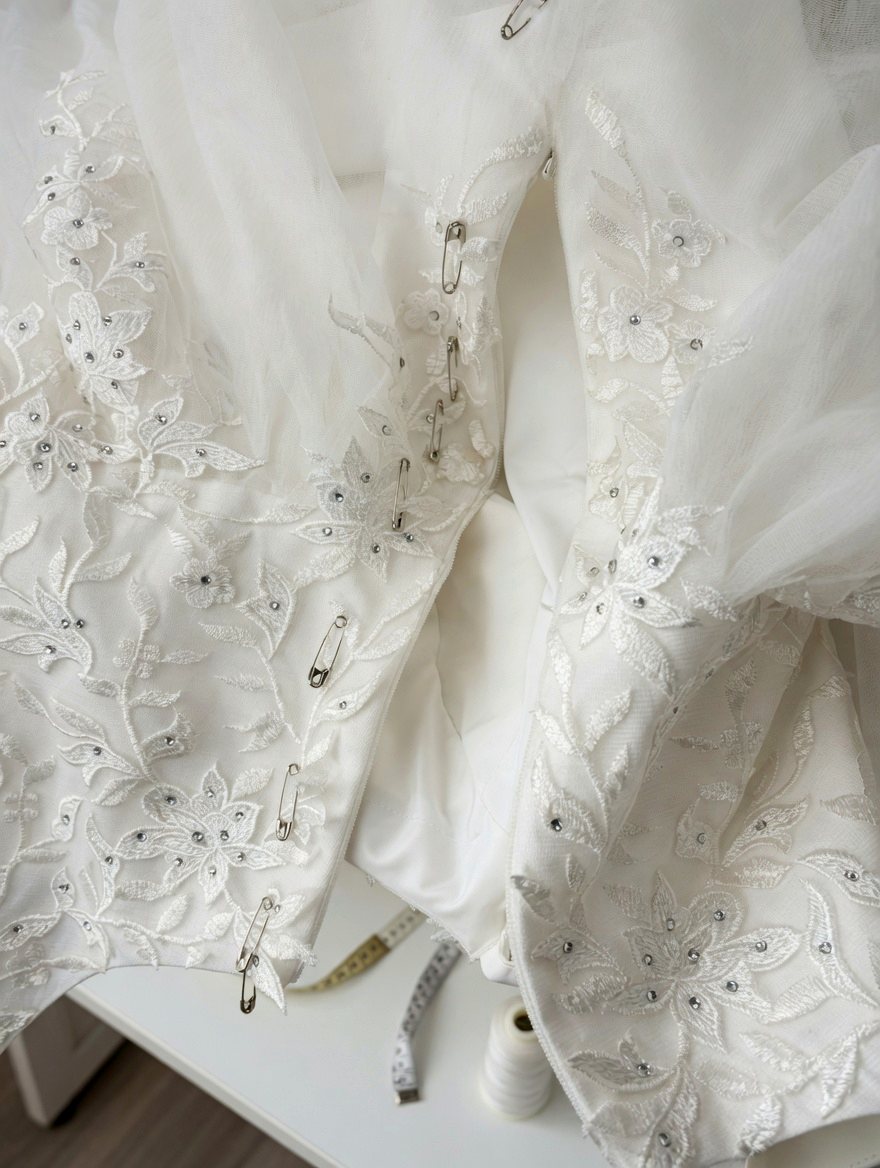 Pinned · First Fitting
Bridal-shop trained. A calm, patient room for the dress that will hold the rest of your life in photographs.
Pinned · First Fitting
Floor-length hemming to your shoes, lace re-application, train shortening or removal, horsehair edge repair.
American (over), French (under), and ballroom bustles. Single-point, multi-point, or buttoned. Built to survive a reception.
Reshaping, cup adjustments, side-seam in or out, princess seam refinement, internal bra construction or removal.
Adding sleeves (cap, long, illusion), strap shortening or addition, modesty panels, lace overlay applications.
Re-attaching beadwork, securing appliqué, replacing lost pearls or crystals, custom hand-stitched additions.
Bridesmaids, mothers of the bride, prom, black-tie. The same care, and the same eye for fit.
A bridal alteration is rarely one cut. We work in stages so the dress stays balanced through each adjustment — and so you have time to feel certain about every change.
You arrive with your shoes, your undergarments, and your dress. We pin everything. You walk, sit, dance briefly. Nothing is cut yet.
The major work is done. We confirm the hem, the bustle, and the bodice fit. Small refinements get marked. Embellishments are placed.
The dress sits exactly. Final pressing, garment bag, and a five-minute lesson on bustling for your maid of honor. You take it home ready.
A selection of recent bridal and formal work. For the full ongoing reel, see @bygisellellc.
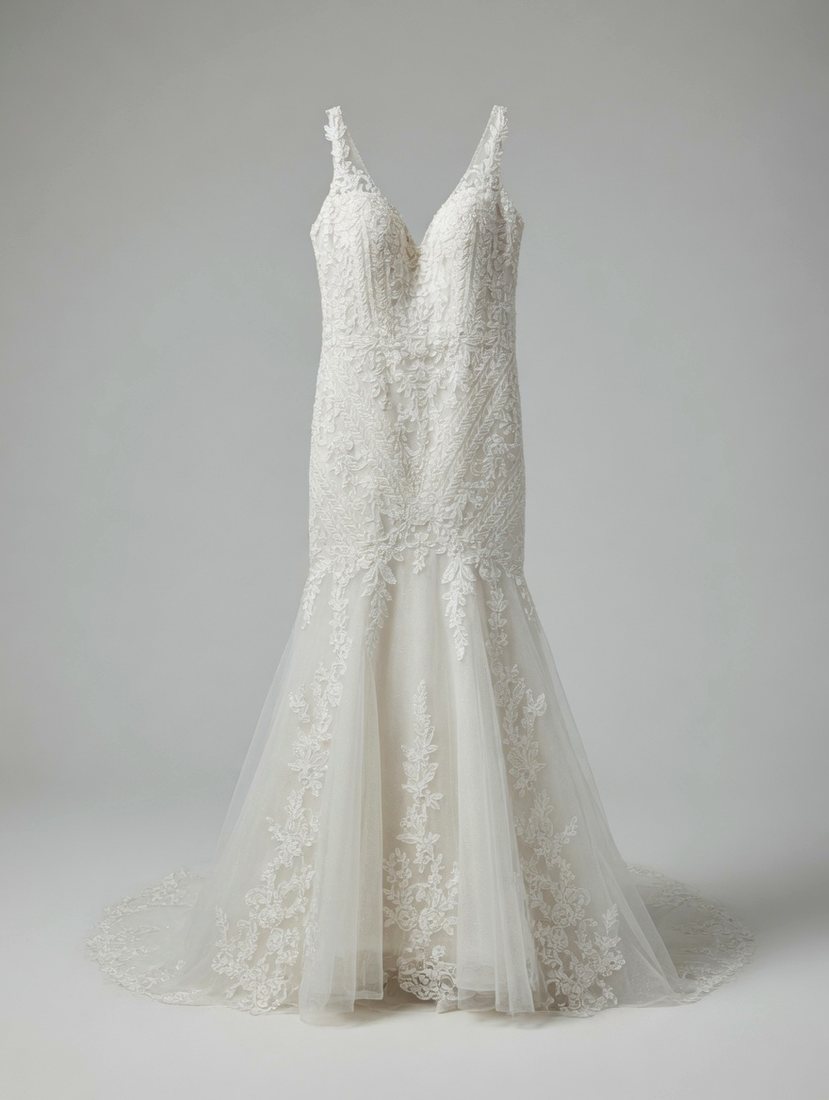
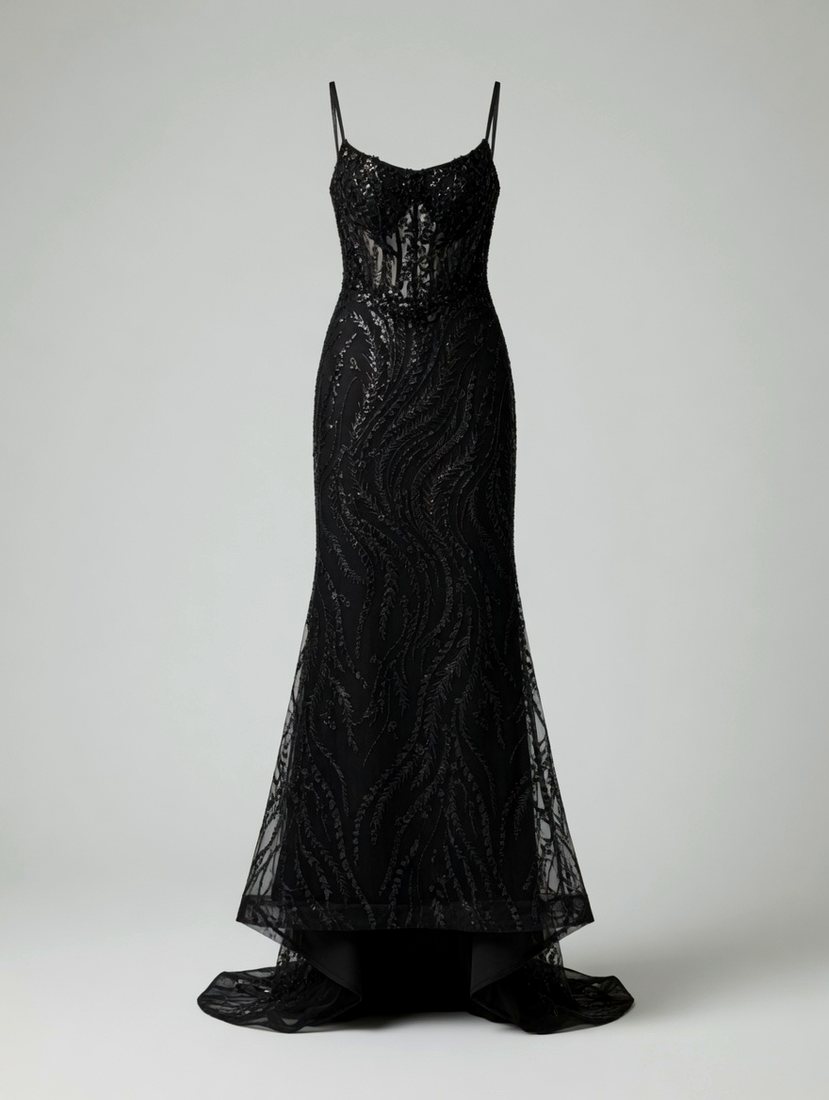
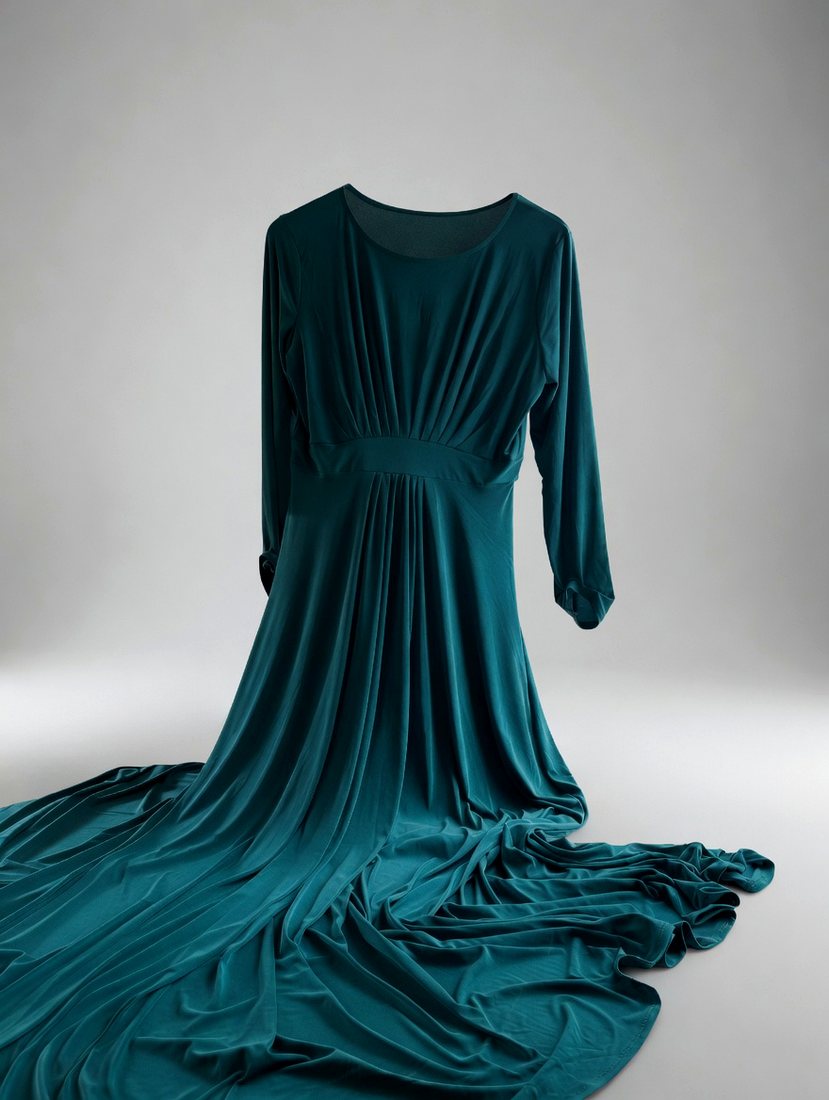
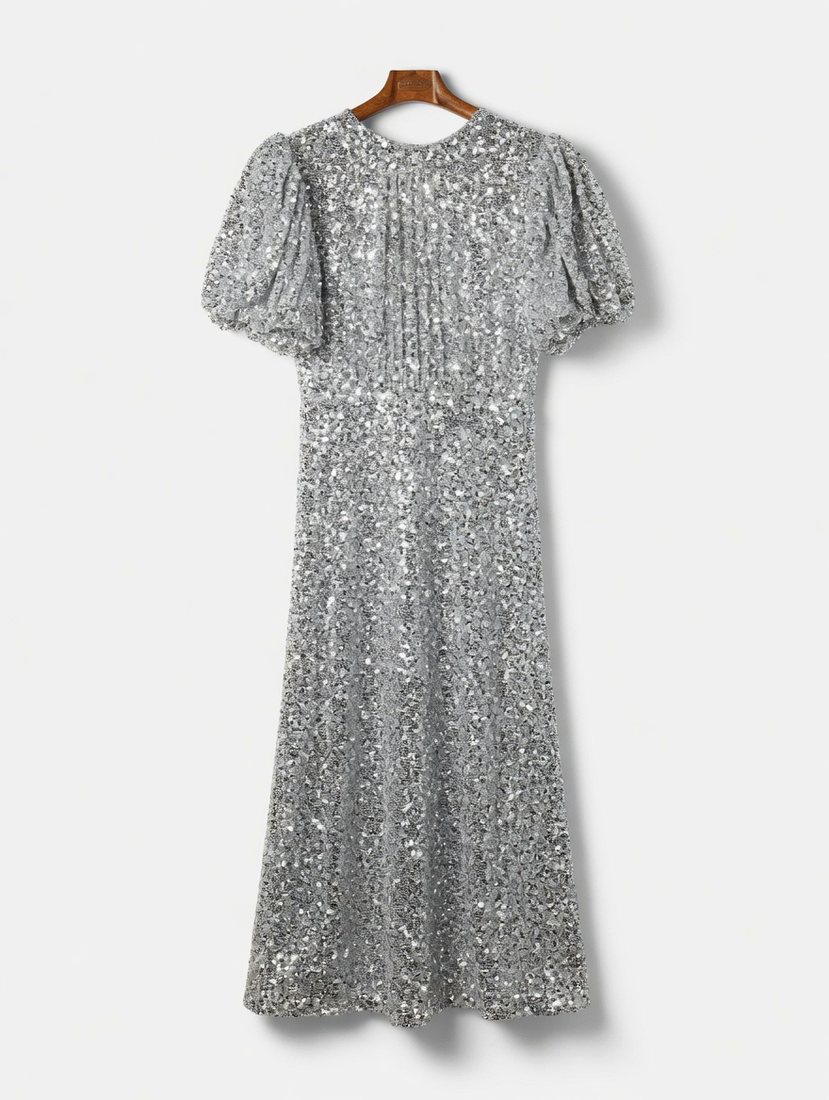
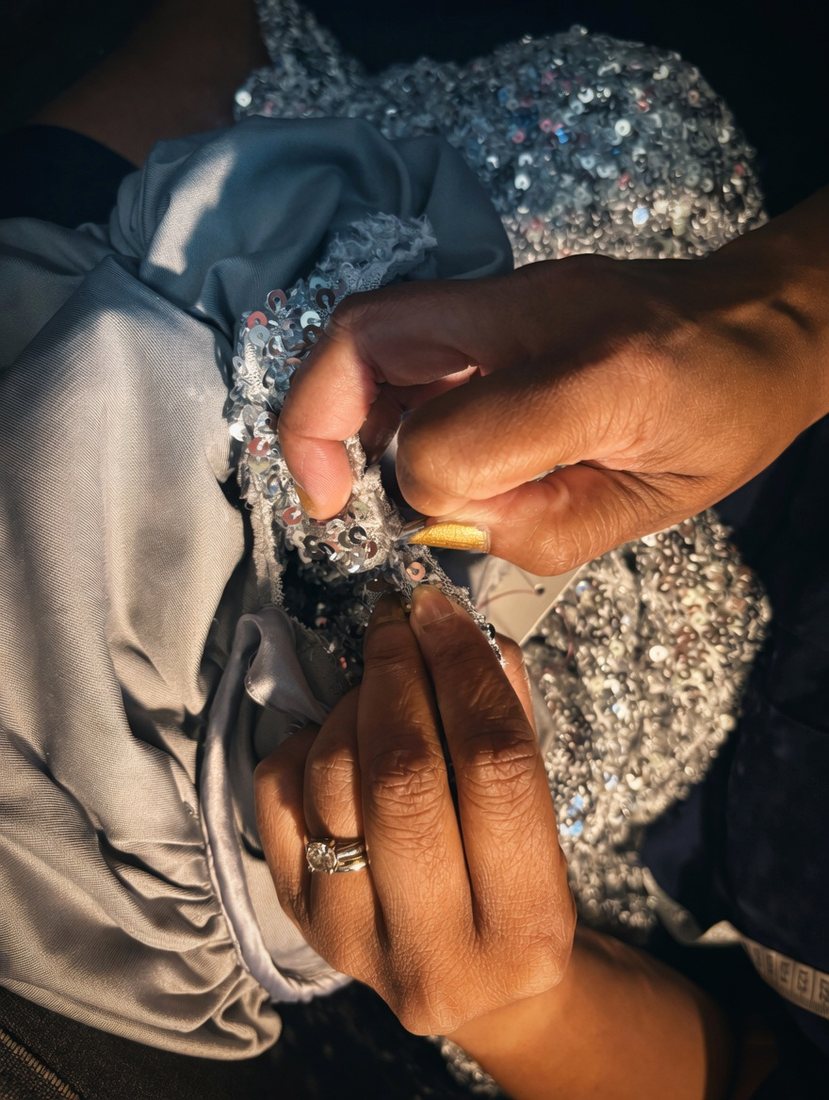
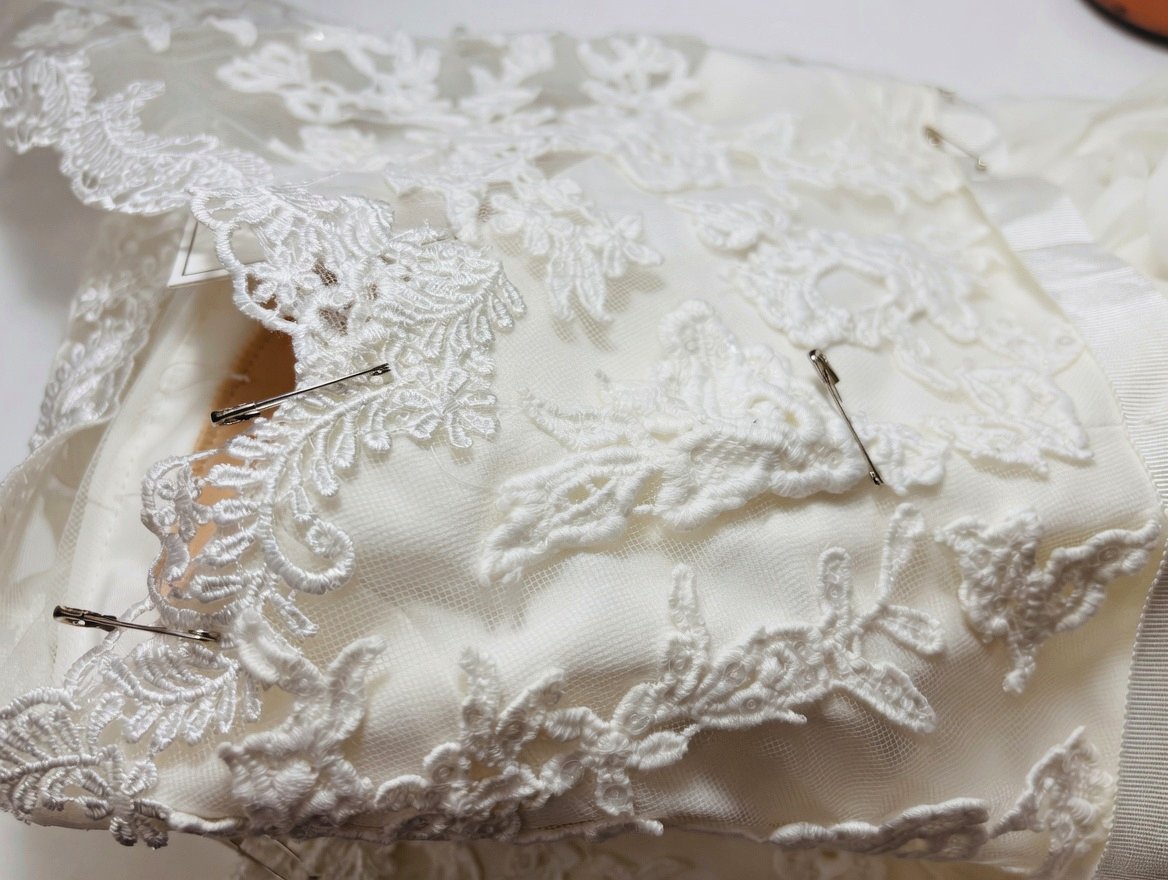
It starts with a visit to Giselle's home studio in Columbus. You bring the dress; she looks at how it sits on you, talks through what's possible, and pins a first fitting. By the end of that visit you'll have a clear plan for the gown — and the numbers below to help you frame a budget.
If your question isn't here, ask. Send a message — time-sensitive bookings are flagged and answered first.
For weddings, book the first fitting 6–8 weeks before the event. Earlier is welcome — once you've had your first fitting and approved your quote, a deposit secures your spot in the schedule. Peak season (May–October) fills first, so reach out as soon as you have the dress in hand.
Your dress, your wedding shoes (or shoes the same height), and the undergarments you plan to wear. Bring one or two people you trust for opinions — no more, otherwise the room gets too crowded for the dress to be the focus.
No. The goal of a good alteration is invisibility — the dress should look like it was made for you. We use the dress's original construction, fabric, and finish whenever possible. Beadwork is matched. Hems are blind-stitched. Bustles are placed where the dress's own lines hide them.
Usually, yes. Bring it in for a first look — we'll assess the fabric's condition, the seam allowances available, and the work that's reasonable. Some heirlooms benefit from reinforcement before alteration; we'll tell you honestly if a piece is too fragile.
Yes, with a rush surcharge that depends on the work and the timeline. We can sometimes complete a full bridal alteration in two fittings inside three weeks. Ask early — rush slots are limited.
At the final fitting, we teach your maid of honor (or whoever is helping you dress) how to bustle the gown. We also include a small emergency kit with safety pins, thread that matches your dress, and a small needle.
A small fluctuation is expected and built into the schedule — that's part of why we use three fittings. A significant change (10+ lbs in either direction) may require an additional fitting and a small adjustment fee. Tell us early.
Send a photo of your gown and your wedding date. We'll confirm availability and schedule your three fittings.